Roatan Wildlife Encounter Guide for Cruise Days
A sloth resting in the shade, bright parrots calling overhead, and a turtle gliding over a coral reef can turn a port day into the memory your family talks about long after the cruise is over. This Roatan wildlife encounter guide helps you choose the right experience, plan realistic timing, and enjoy the island’s animals with care – without spending your day worrying about transportation or crowded meeting points.
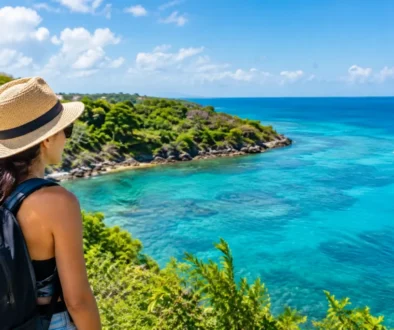
Roatan is not a zoo in the traditional sense. Its best wildlife moments come in different settings: managed animal sanctuaries, protected marine environments, reef snorkeling areas, and the lush tropical landscape that connects them. The right excursion depends on whether your group wants close-up animal time, time in the water, a relaxed beach day, or a combination of all three.
What Wildlife Can You See on Roatan?
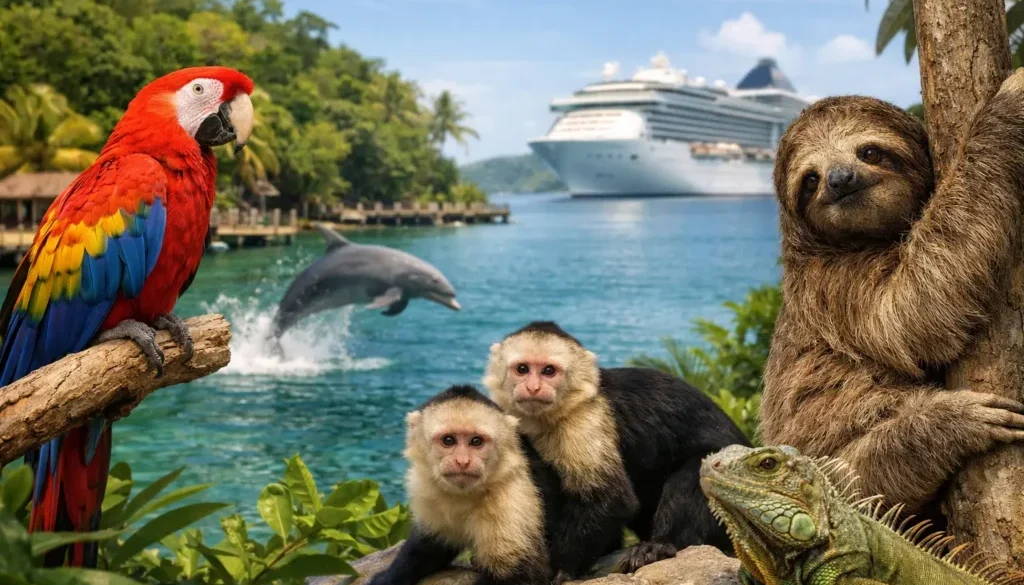
For many visitors, the island’s best-known animal encounter is the chance to see sloths, capuchin monkeys, parrots, and macaws in a supervised setting. These experiences are especially popular with families, couples, and anyone who wants an easy photo-friendly activity without a long hike or a full day in the water.
Sloths are the stars for good reason. They are calm, fascinating animals, and their slow movements make the moment feel wonderfully different from the fast pace of a cruise port. Monkeys bring more energy. They may move quickly, climb nearby branches, or show off their curious personalities, so guests should follow their guide’s instructions and keep valuables secured.
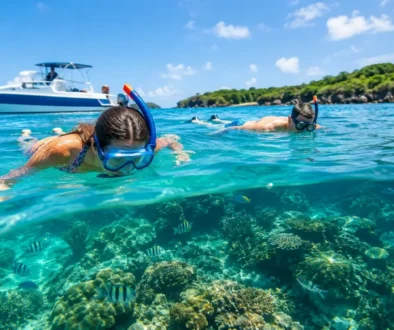
Roatan’s wildlife is also under the water. Depending on weather, reef conditions, and location, snorkelers may spot colorful tropical fish, sea fans, coral formations, rays, and occasionally sea turtles. Marine sightings are never guaranteed – wild animals follow their own schedules – but clear Caribbean water and a guided snorkeling stop give you an excellent chance to see the reef in its natural setting.
You may also see iguanas around the island. The endangered Roatan spiny-tailed iguana is native to this region, while other iguanas may be seen near landscaped attractions or coastal areas. A local guide can explain the difference and point out wildlife that is easy to miss from the road.
Choose the Encounter That Fits Your Group
A great wildlife day is not about packing in every attraction. It is about matching the experience to your comfort level, port schedule, and the people traveling with you.
Animal Encounters for Families and First-Time Visitors
A guided animal park or sanctuary visit is often the simplest choice for multigenerational groups. Grandparents can enjoy the experience without difficult walking, kids get a close look at animals they have only seen in books or videos, and everyone has time for photos. These visits generally pair well with an island sightseeing tour, a beach stop, or both.
Ask about the pace before booking if you are traveling with very young children, a stroller, or guests with mobility considerations. Some properties have uneven paths, stairs, or natural terrain. A good local operator can help set expectations and arrange a schedule that does not feel rushed.
Snorkeling for Reef and Marine Life Lovers
If your ideal wildlife moment happens with a mask and fins on, build your day around snorkeling. West Bay and other reef-access areas can provide easy access to beautiful water, though conditions can change with wind, currents, rain, and boat traffic. Confident swimmers may prefer a boat-based reef stop, while beginners often appreciate a calmer guided introduction near shore.
Snorkeling is fun for many ages, but it is not automatically the best fit for everyone. Guests who are uncomfortable in open water, prone to motion sickness, or traveling with non-swimmers may be happier with a beach break plus a wildlife attraction. Many groups choose a combo so one part of the day delivers adventure and another offers a comfortable place to relax.
Combo Tours for a Full Island Day
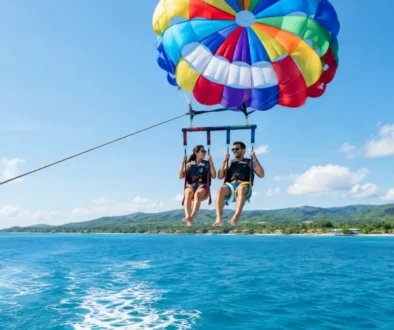
A wildlife stop can fit naturally into a bigger Roatan experience. Pair it with a scenic island drive, a local culture stop, a West Bay beach break, ziplining, horseback riding, or a private boat outing. The advantage is simple: you do not need to arrange separate taxis, negotiate timing at each location, or wonder whether you will make it back to the ship on time.
For cruise passengers, a combo tour works best when the route is planned around your actual all-aboard time. Leave room for travel, attraction check-in, and the unpredictable moments that happen on island roads. A full schedule can be exciting, but an overstuffed one can make the day feel like a race.
Roatan Wildlife Encounter Guide: Enjoy Animals Responsibly
The most memorable encounters are respectful ones. Whether you are visiting a managed animal attraction or snorkeling over living coral, your choices help protect the environment that makes Roatan special.
Follow your guide’s directions about touching, feeding, holding, or photographing animals. Some encounters allow supervised interaction, while others are observation-only. That difference matters. Animal welfare standards, daily animal behavior, and facility rules can affect what is appropriate on any given day.
At a wildlife attraction, let animals approach on their terms. Avoid loud noises, sudden grabbing, flash photography when prohibited, and food unless it is provided by staff. Keep a close eye on children, not because the experience should feel stressful, but because calm behavior creates a better environment for both guests and animals.
On the reef, never stand on coral, chase fish, or attempt to touch turtles, rays, or other marine life. Coral can look like a hard rock from the surface, but it is a living habitat that is easily damaged. Reef-safe sun protection, a rash guard, and careful fin movements are small choices that make a real difference.
What to Bring for a Comfortable Day
Roatan is warm, sunny, and humid, so practical packing helps you stay focused on the fun. Wear lightweight clothing and comfortable walking shoes for animal encounters and sightseeing. Bring a swimsuit, towel, and a dry bag if your day includes snorkeling, a beach stop, or a boat ride.
A hat, sunglasses, water, and sun protection are essential. For snorkeling, a rash guard can be more comfortable than relying on frequent sunscreen reapplication, and it provides extra coverage during a long beach day. Pack insect repellent for lush inland stops, especially after rain.
Bring your phone or camera, but use a strap or secure pouch around monkeys and near water. If you have a waterproof camera, make sure you know how to use it before you are floating above the reef. Nobody wants to spend the first half of a snorkeling stop adjusting settings.
Cash can also be useful for optional purchases, local snacks, tips, or attraction add-ons. Keep it secure and carry only what you need for the day.
Timing Your Wildlife Excursion From a Cruise Ship
Cruise-day timing is one of the biggest reasons visitors book a guided excursion rather than trying to piece together transportation on arrival. Roatan’s main attractions are spread across the island, and travel time can vary with traffic, road conditions, and your ship’s port location.
Plan to meet your guide promptly after clearing the port area. Confirm the meeting instructions, return schedule, and what is included before the day begins. If you want snorkeling, ask whether equipment is included and whether there are changing rooms, lockers, or showers at the stop.
Morning often works well for animal encounters because temperatures are more comfortable and your group has more flexibility afterward. Still, there is no universal best time. If your ship arrives late, a compact wildlife-and-beach combination may make more sense than a long island crossing. If you have a full port day, a sightseeing route with animals, lunch, and West Bay can be a relaxed way to see more of Roatan.
Charlie’s Roatan Tours can help visitors build a personalized combination with round-trip transportation and local guidance, so your group can focus on the island rather than the logistics.
Set Expectations for a Better Experience
Wildlife encounters are not identical from one day to the next. Animals may be resting, marine visibility may shift, and a busy port day can affect how long you spend at each stop. That is normal on a living island, and it is part of what makes a real encounter more meaningful than a staged attraction.
Choose a tour with a realistic itinerary, share any special needs before you arrive, and give yourself permission to enjoy the moments that cannot be scheduled – a monkey’s curious glance, a sloth in the trees, or a flash of blue fish beneath the water. With the right local plan, Roatan’s wildlife becomes more than a quick photo stop. It becomes the part of your vacation that feels truly connected to the island.