Roatan Snorkeling by Reef for Cruise Visitors
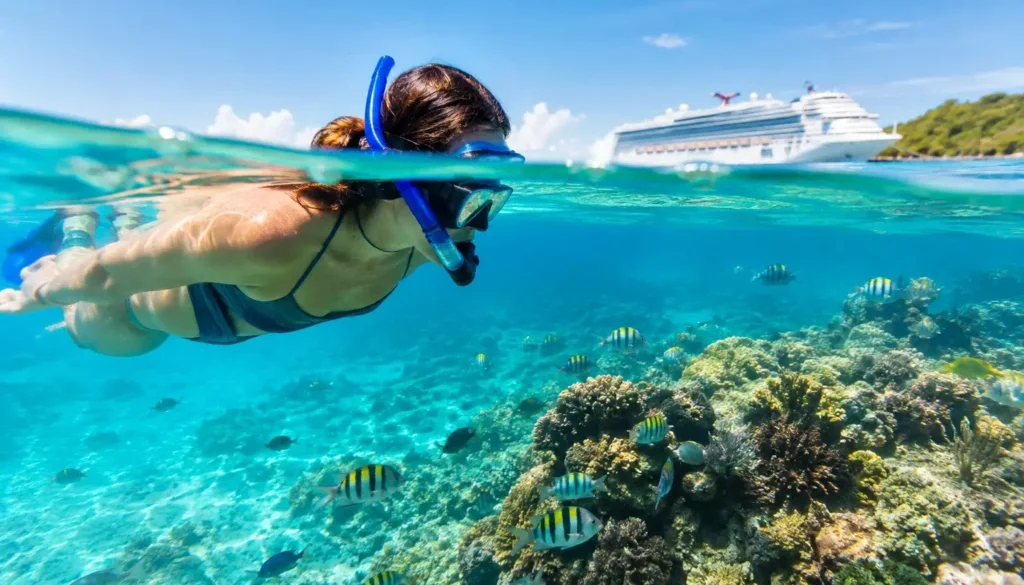
The best part of Roatan snorkeling by reef is that you do not have to travel far offshore to see the island’s color. In the right locations, the reef begins just beyond the beach, where clear Caribbean water opens onto coral formations, schools of tropical fish, and sandy channels that are welcoming for first-time snorkelers. For cruise visitors, couples, and families with limited time, that close access can turn one port day into a real island memory.
Roatan sits beside the Mesoamerican Reef, one of the largest reef systems in the world. That does not mean every beach has identical snorkeling or that conditions are always the same. Wind, waves, rain, currents, and visibility can change the experience from one day to the next. A good local guide helps you choose a reef area that fits the weather, your comfort level, and the kind of day you want.
Why Roatan Snorkeling by Reef Feels Different
On many islands, snorkeling means boarding a boat, riding for a long stretch, and then jumping into deeper water. Roatan offers another option: beach-entry snorkeling near reef zones, especially around the island’s popular western side. You can enjoy a relaxed beach setting and still spend time over living coral without building your entire day around a boat schedule.
That convenience matters for cruise guests. Transportation from the port, a planned meeting time, and a guide who understands the island’s roads can save valuable hours. It also gives you more flexibility to combine snorkeling with a beach break, a scenic island drive, lunch, or another favorite Roatan experience.
The reef is not one continuous shallow aquarium right at the shoreline. Some areas have a sandy entry before the coral begins, while others are better reached by a short boat ride. Depth can vary quickly as well. Confident swimmers may enjoy the drop-offs and wider reef views, while beginners may prefer calm, shallow sections where they can stand or stay close to shore.
Choose the Right Reef Experience for Your Group
The best snorkeling plan depends less on finding the “best” beach and more on matching the experience to your group. Families with younger children often do better with a calm beach, easy water entry, flotation support, and time to take breaks in the shade. Couples may prefer a combination day with reef time followed by a quieter beach setting. More experienced snorkelers may want a boat-based outing that reaches reef areas farther from shore.
Before you commit to a tour, think honestly about swimming ability. Snorkeling is accessible, but comfort in the water makes a major difference. If someone in your group is nervous, let your guide know before getting in. A well-run excursion can provide basic instruction, point out the easiest entry area, and keep the group in a section suited to the day’s conditions.
For cruise passengers, timing is equally important. Your excursion should allow for transportation both ways and a comfortable return to port before all-aboard time. A private or small-group option can be especially helpful if you want less waiting, more local guidance, and the freedom to shape the day around your priorities.
Beach-entry snorkeling
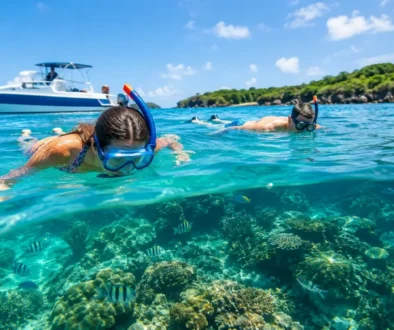
Beach-entry snorkeling is a strong choice when the sea is calm and you want to pair water time with a traditional beach day. You can enter gradually, practice with your mask and snorkel near shore, then head out with a guide toward the reef. This option is often appealing for mixed-age groups because non-snorkelers can still relax nearby while others explore the water.
The trade-off is that the walk or swim to the reef may take a little time, and visibility can be affected by wave action near shore. Water shoes can be useful where the bottom is rocky or coral rubble is present. Never stand on coral to steady yourself – even a single step can damage fragile reef growth.
Boat snorkeling
A boat ride can bring you to reef sections with less beach traffic and more space to observe marine life. It is often the better choice when offshore conditions are favorable or when the closest reef entry is not ideal for your group. You may see broader coral structures, sea fans, parrotfish, blue tangs, sergeant majors, and, on a lucky day, rays or sea turtles.
Boat snorkeling is not automatically better for everyone. Guests need to be comfortable climbing in and out of the water, and younger children or weak swimmers may need extra support. Ask what equipment, flotation devices, water, and supervision are included so you know exactly how the experience will work.
What You May See on Roatan’s Reef
The reef rewards patient snorkelers. Instead of swimming quickly from one spot to another, float quietly and look closely at the coral heads, sandy patches, and edges where reef and open water meet. That is where small movements start to appear: a spotted trunkfish drifting by, a bright parrotfish grazing, or a school of silvery fish moving together as one.
Healthy reef areas can feature hard corals, soft corals, sea fans, sponges, and sea grass nearby. The colors change with sunlight, depth, and water clarity. Morning light can be beautiful, but the best time is not always the earliest time. Local weather and wind direction matter more than a fixed clock.
Marine life is wild, not scheduled. No responsible guide should promise a particular animal sighting. What they can provide is local knowledge of where conditions are usually clearest, where reef features are easiest to reach, and how to enjoy the water without disturbing the ecosystem.
A Simple Plan for a Better Snorkeling Day
A little preparation keeps the day fun rather than frustrating. Bring what makes you comfortable, but do not overload yourself with valuables or gear you will not use. For most guests, these essentials are enough:
- Reef-safe sunscreen applied before entering the water
- A swimsuit, towel, and dry clothes for the ride back
- A rash guard or lightweight cover-up for sun protection
- Water shoes if you prefer extra protection for beach entry
- A waterproof camera or phone case, secured with a float strap
Use a mask that seals comfortably around your face. If you have facial hair, getting a completely tight seal can take extra adjustment. Before heading toward the reef, practice clearing your mask and breathing slowly through the snorkel in shallow water. There is no prize for being first in. A calm start usually creates a much better experience.
Listen to the safety briefing, stay within the area your guide recommends, and pay attention to flags or changes in water conditions. Even strong swimmers should avoid going beyond the planned route alone. Currents can be subtle from the surface, and a guided group has the advantage of local awareness.
Protect the Reef While You Enjoy It
Roatan’s reef is the reason travelers come to the water, so it deserves thoughtful care. Keep your hands off coral, do not chase fish, and never feed marine life. Coral may look like rock, but it is made of living animals that can be harmed by contact, fins, chemicals, and careless anchoring.
Maintain a horizontal position in the water and use slow, controlled fin kicks. If you need to stop, float instead of reaching downward. This is particularly important in shallow areas, where a quick stand-up reflex can cause damage.
Your guide may adjust the snorkel site or schedule if wind, rain, or sea conditions change. That is not a lesser experience – it is good judgment. Roatan has plenty to offer beyond one reef location, and a flexible day can include beaches, viewpoints, island culture, or wildlife experiences if the water is not cooperating.
Make Your Port Day Feel Easy
The most enjoyable reef outing is not the one with the most items squeezed into the itinerary. It is the one that gives you enough time to settle into the water, enjoy the beach, and return to port without watching the clock. Charlie’s Roatan Tours can help visitors build a day around transportation, local guidance, and the right mix of snorkeling and island highlights.
Come ready to enjoy the water, stay flexible with the weather, and let the reef set the pace. A few quiet minutes above Roatan’s coral can become the part of your trip you keep talking about long after the ship has left the island.