How to Explore Roatan Culture the Right Way
Your beach day can be amazing in Roatan, but if you leave the island knowing only the sand and water, you miss a big part of what makes this place memorable. If you’re wondering how to explore Roatan culture, the best approach is simple: get beyond the resort view, spend time with local guides, and choose experiences that show how people on the island actually live, cook, work, and celebrate.
Roatan is not just one kind of place. It’s an island shaped by Garifuna, Afro-Caribbean, Creole, and mainland Honduran influences, and you can feel those layers in the language, food, neighborhoods, music, and pace of daily life. That means cultural exploration here is not about checking off one museum stop and calling it done. It’s about seeing how the island fits together.
How to Explore Roatan Culture Beyond the Beach
The easiest mistake visitors make is staying close to the cruise port or spending the full day at one beach club. There’s nothing wrong with beach time – Roatan does it very well – but culture becomes clearer when you move through different parts of the island.
A good island culture day usually includes scenic driving, community stops, a little local history, time to shop from local vendors, and conversation with someone who knows the area well. That last part matters. Roatan is more interesting when someone can tell you why one village feels different from another, where certain traditions come from, and how tourism has changed the island over time.
This is where guided sightseeing has a real advantage over going on your own. You spend less time figuring out transportation and more time noticing what’s around you. For cruise passengers especially, that can make the difference between a rushed outing and a relaxed day that still gets you back on time.
Start with the island’s communities
If you want to understand Roatan, start with its people and neighborhoods. West End, Coxen Hole, French Harbour, Oak Ridge, and Punta Gorda each give you a different angle on island life. Some areas feel more tourism-driven, while others hold tighter to older rhythms, fishing traditions, and family-centered community life.
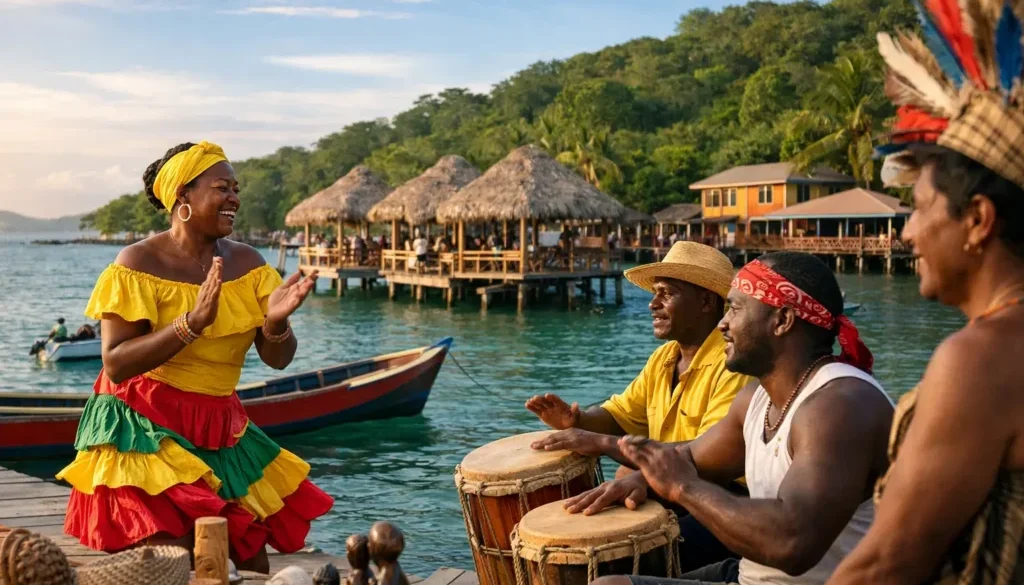
Punta Gorda is especially meaningful for travelers interested in Garifuna heritage. The Garifuna community has a strong cultural presence in Roatan, with traditions rooted in West African and Caribbean history. Music, dance, food, and storytelling all play a role. If your schedule lines up with a local event or performance, it can be one of the most memorable parts of your visit.
Oak Ridge offers another side of the island. Built around water channels and known for its fishing heritage, it feels different from the more beach-focused visitor areas. Seeing places like this helps visitors understand that Roatan is not just a tropical playground. It is a working island with communities that have long histories and distinct identities.
Food is one of the best ways to understand Roatan
One of the most enjoyable answers to how to explore Roatan culture is also one of the easiest: eat local. Island culture shows up fast at the table.
Look for dishes and flavors connected to the Caribbean side of Roatan, not just standard tourist menus. Fresh seafood, coconut-based stews, fried plantains, rice and beans, cassava, and island-style soups can tell you a lot about the region. If you get the chance to try homemade or small local restaurant food instead of sticking only to familiar options, take it.
This does not mean every traveler needs a full food tour. For some families, one authentic lunch stop during a sightseeing day is enough. For others, food is the main event. It depends on your comfort level and schedule. The key is choosing at least one meal that feels rooted in the island instead of interchangeable with any beach destination.
Let local history shape what you see
Roatan’s scenery is beautiful, but history gives it meaning. The island has connections to seafaring trade, migration, fishing communities, colonial influences, and changing tourism development. You do not need a formal lecture to appreciate that. In fact, many visitors get more out of a casual guided tour where history is shared naturally during the drive.
As you move across the island, ask questions. Why do some areas have stronger English-speaking Caribbean influence? How did cruise tourism affect local business? Which traditions have stayed strong, and which ones have changed? A knowledgeable guide can turn a sightseeing route into something much more personal and informative.
That kind of context is especially helpful if you only have one day in port. Roatan is easy to enjoy at the surface level, but it becomes much richer when someone helps connect the dots between places, people, and customs.
Shop where local craft and conversation meet
Cultural travel does not have to mean formal attractions only. Small shops, craft markets, and roadside stops can be some of the most human parts of the day. Handmade items, local art, island preserves, wood carvings, and simple souvenirs often come with stories if you take a moment to ask.
This is also where guided tours can help you avoid the usual tourist trap feeling. A local host can point you toward places where the experience feels more genuine and less rushed. Not every shopping stop will be deeply cultural, of course. Some are more commercial than others. But even then, you get a better sense of what visitors buy, what locals create, and how tourism supports many families on the island.
Music, language, and everyday rhythm matter too
Sometimes travelers think culture only counts if it happens at a major landmark. In Roatan, a lot of it comes through in smaller moments. The mix of accents you hear, the music playing in a restaurant, the way neighborhoods gather, the colors of homes and businesses, and the social energy of community spaces all tell part of the story.
That is why a flexible day often works better than an overpacked one. If every hour is scheduled down to the minute, you may hit several attractions but miss the island’s rhythm. Roatan is best enjoyed with enough structure to stay stress-free and enough breathing room to notice what is actually around you.
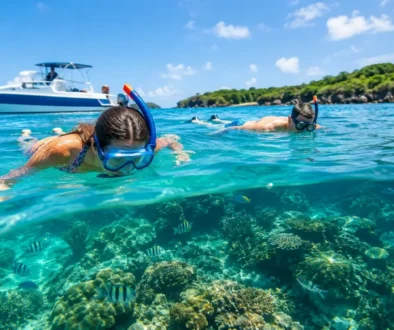
For many visitors, the sweet spot is a combo-style outing that includes island sightseeing and one recreational stop, like a beach break, snorkeling session, or wildlife add-on. That gives you the cultural side of the island without giving up the fun that brought you to Roatan in the first place.
How to explore Roatan culture if you’re on a cruise
Cruise guests usually have limited time, so planning matters. If you want culture and convenience, choose an excursion that includes round-trip transportation, a local guide, and a route that goes beyond the immediate port area. That keeps the day easy while giving you a fuller picture of the island.
The best cultural day for cruise travelers is rarely the most complicated one. It is the one that balances logistics, sightseeing, and a few meaningful stops. You do not need to cram in every village or attraction. A well-paced island tour with scenic viewpoints, local communities, a food stop, and time for photos often delivers more than a packed schedule with constant rushing.
This is one reason travelers often prefer personalized island tours over larger cruise crowds. You can ask more questions, move at a better pace, and shape the day around your group. Charlie’s Roatan Tours is built around that kind of experience, where transportation, timing, and local insight come together in one easy plan.
Choose experiences that match your interest level
Not every traveler wants the same type of cultural experience, and that is completely fine. Some guests want a light introduction with scenic stops and a local lunch. Others want to spend more time in specific communities or pair culture with adventure. Families may want something simple and engaging, while couples might prefer a more relaxed sightseeing route with room to linger.
The right choice depends on your time, mobility, curiosity, and how much structure you like. If this is your first visit, a guided island culture tour is usually the smartest starting point. If you have been to Roatan before, you may enjoy going deeper into one area or combining cultural sightseeing with activities you skipped the first time.
The main thing is to stay intentional. If you want to experience the island itself, not just the postcard version, build at least part of your day around local perspective.
Roatan has gorgeous beaches, clear water, and plenty of easy ways to have fun. But the visitors who remember it most vividly are usually the ones who took time to meet the island on its own terms. Give yourself that chance, and Roatan will feel like much more than a stop on your itinerary.