Charlie’s Roatan Tours for Every Roatan Traveler
Cruise days in Roatan are too valuable to spend figuring out transportation, negotiating every stop, or wondering whether you will make it back to the port on time. Travelers searching for “roatan charlie’s roatan tours” are usually looking for one thing: a fun, well-organized way to see the island that still feels personal. That is exactly the difference a locally guided excursion can make.
Roatan is an island with more than one great way to spend a day. You may want white-sand beach time and a cold drink in West Bay. Your group may be ready for a zipline ride, an ATV trail, or a horseback adventure. Maybe the priority is reef snorkeling, a monkey and sloth encounter, or seeing the island’s villages and viewpoints with someone who knows the roads. The best tour is not the busiest itinerary. It is the one that matches your travel style, your group, and the time you have ashore.
Why a Guided Roatan Day Feels Easier
A self-planned day can sound simple until you are standing at the cruise terminal or hotel trying to coordinate a taxi, admission tickets, activity times, and return transportation. A guided package brings those details together. You are picked up, welcomed by a local guide, and taken to the experiences you chose without spending your vacation day managing logistics.
That convenience matters especially for cruise guests. Port time has a firm deadline, and the island’s best attractions are spread across different areas. West Bay’s beach scene, wildlife parks, snorkeling launches, cultural stops, and adventure locations may not all be next door to one another. With round-trip transportation arranged, you can relax between stops, enjoy the scenery, and keep your energy for the good parts of the day.
Local guidance also adds perspective. Roatan is known for its reef and beaches, but it has a rich island culture, colorful communities, local flavors, and scenic roads that many standard excursions pass right by. A guide can help turn the drive into part of the experience rather than just time spent getting somewhere.
Choose the Experience That Fits Your Group
The right package depends on what you want your Roatan memories to look like. Families with younger children often prefer a balanced day with animals, beach time, and a manageable amount of sightseeing. Couples may lean toward a beach-and-snorkel combination or a more relaxed boat day. Active travelers can build an itinerary around ziplining, ATVs, or horseback riding, then add a scenic stop or swim afterward.
For Beach Lovers: West Bay and Island Relaxation
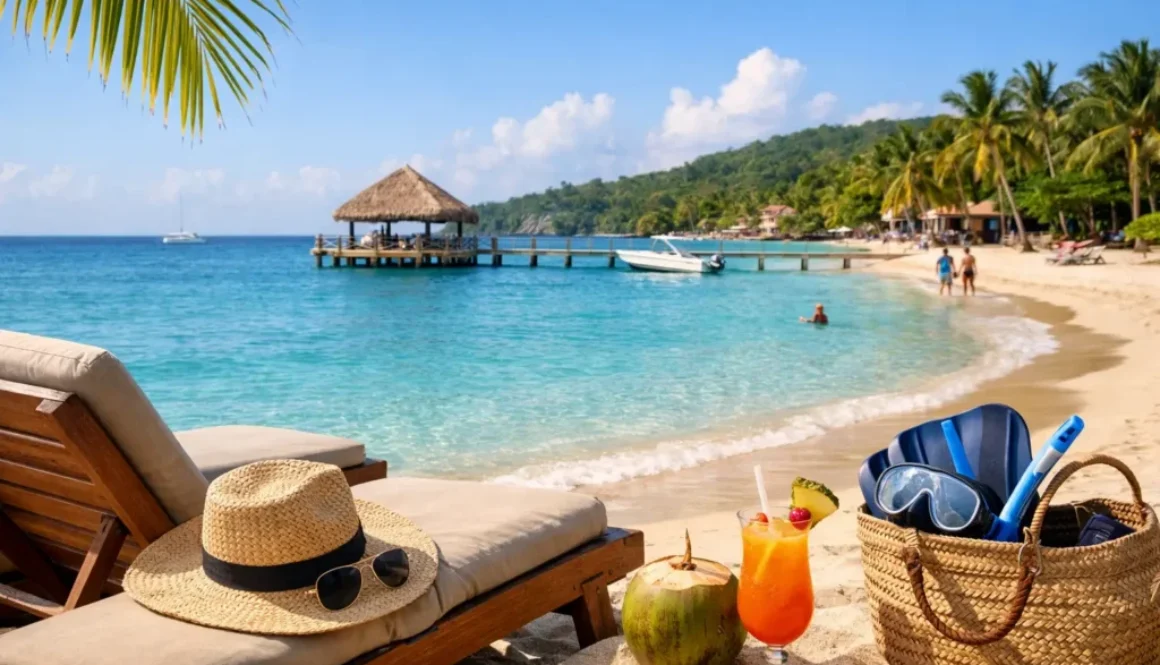
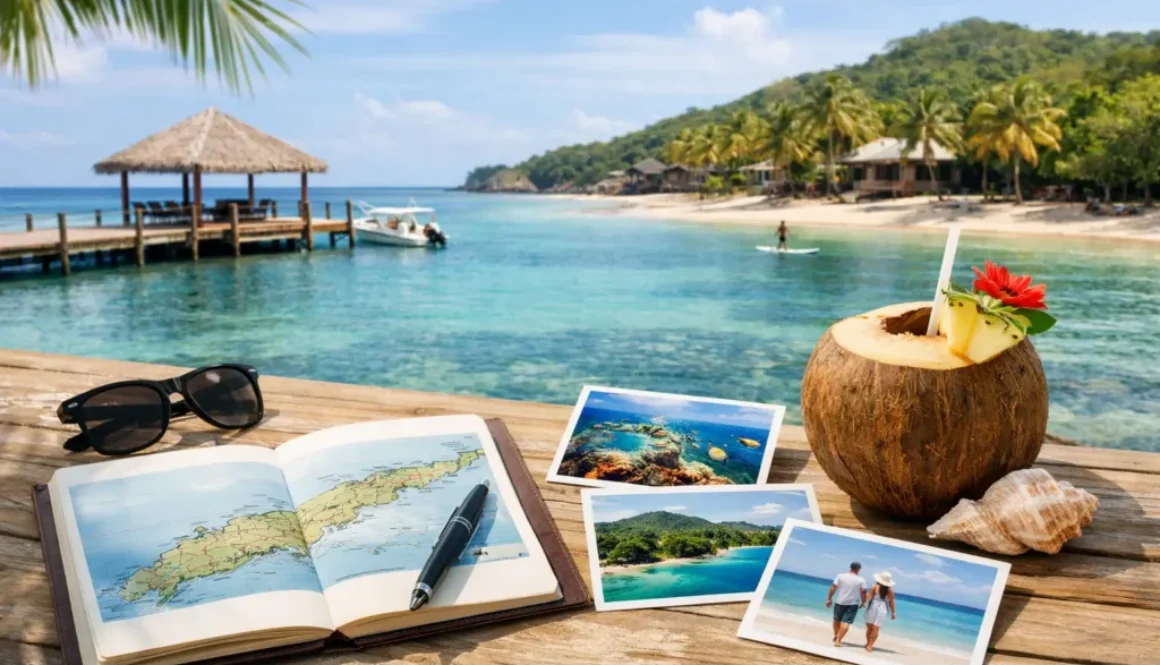
West Bay Beach is a favorite for a reason. The water is clear, the sand is soft, and the setting feels like the Caribbean escape travelers picture before they arrive. A beach break is ideal if you want time to swim, lounge, enjoy the view, and take the day at your own pace.
It can also be a smart choice for mixed groups. Not everyone needs to be ziplining or snorkeling at the same time to have a great day. While one person wades into the water or joins a water activity, another can settle into the shade and enjoy the beach atmosphere. If your priority is pure relaxation, leave enough room in the schedule to enjoy it rather than treating the beach as a quick photo stop.
For Reef Fans: Snorkeling and Boat Time
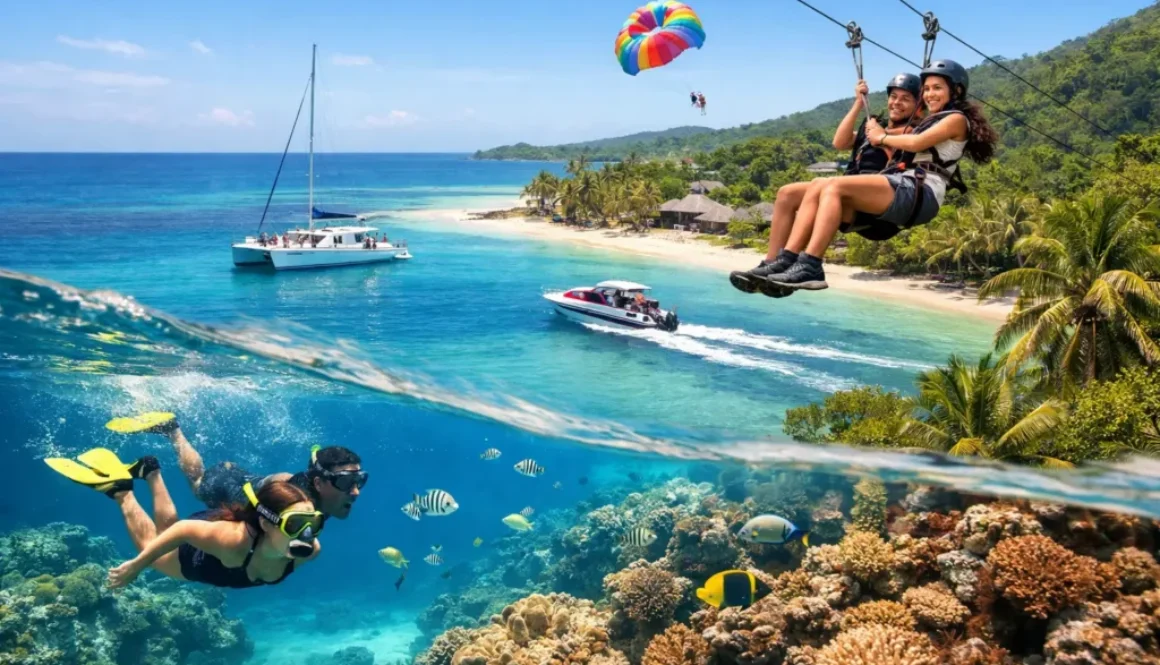
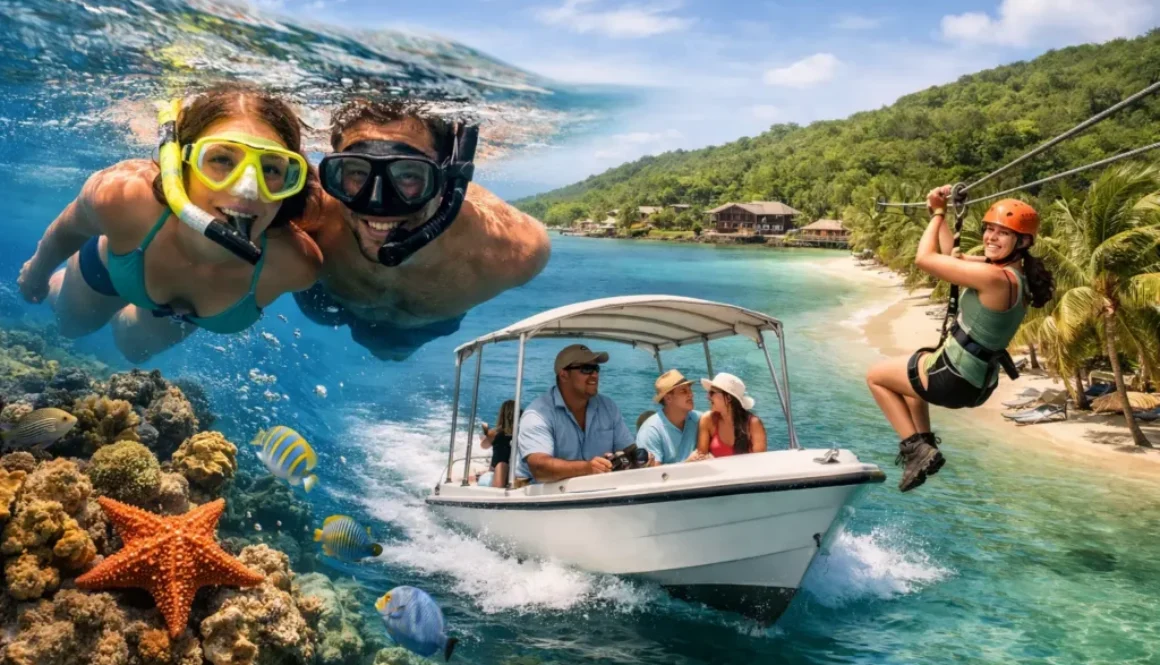
Roatan sits beside the Mesoamerican Barrier Reef, so snorkeling is one of the island’s signature experiences. Depending on the tour and conditions, a reef trip can bring you over bright coral formations, schools of tropical fish, and remarkably clear Caribbean water.
A snorkeling day works best for guests comfortable in the water who want to be active without committing to a full day of high-adrenaline adventure. It is also a strong add-on to a beach package, since you can enjoy both the underwater views and time ashore. Conditions can vary with weather, currents, and sea state, so flexibility is part of any ocean activity. A good guide and boat team will help you understand what to expect that day.
For Animal Lovers: Monkeys, Sloths, and More
Animal encounters are among Roatan’s most popular family-friendly experiences. Meeting monkeys and sloths gives guests a memorable close-up moment, especially for children and first-time visitors. These stops pair naturally with sightseeing, beach time, or an adventure activity because they add something completely different to the day.
The best approach is to treat a wildlife visit as one part of your excursion rather than the only thing on the schedule. Add it to a beach break for a relaxed day, or pair it with a cultural tour for an itinerary that feels distinctly Roatan. Always follow the staff’s guidance during animal encounters. Respectful visits help keep the experience enjoyable for guests and appropriate for the animals.
For Adventure Seekers: Zipline, ATV, and Horseback Options
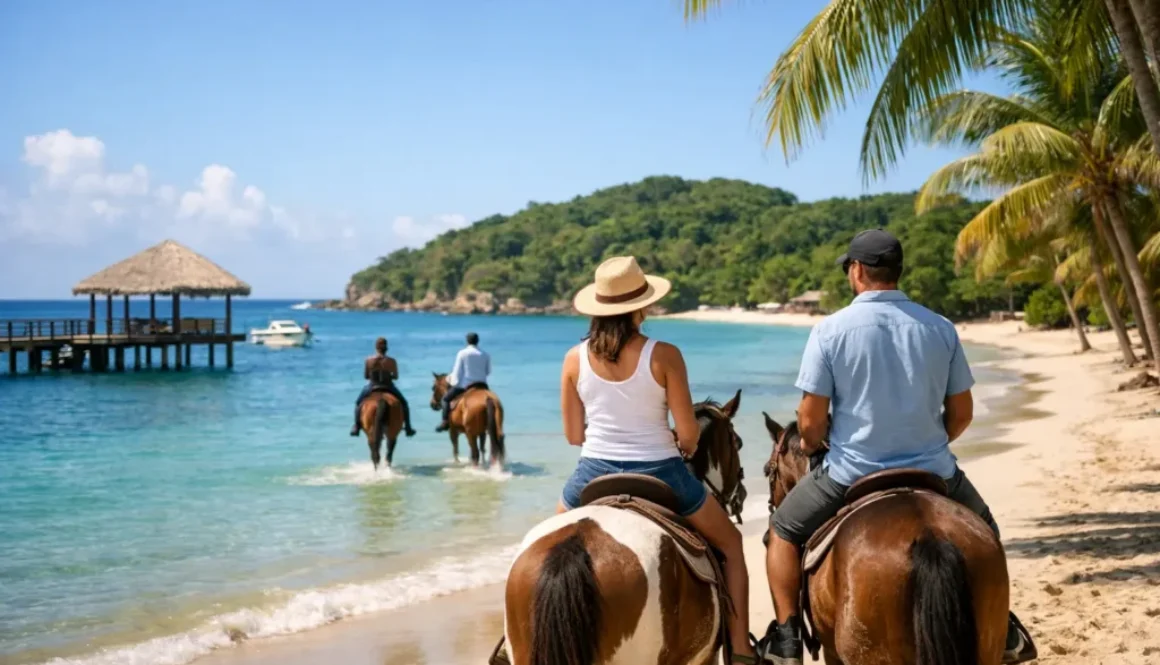
If sitting still is not your vacation style, Roatan has plenty of ways to turn up the energy. Zipline experiences offer jungle views and an exciting way to see the island’s tropical landscape from above. ATV tours bring a more rugged, hands-on feel, while horseback riding can offer a scenic and memorable pace that is adventurous without being all about speed.
There are trade-offs. An adventure-focused day may leave less time for a long beach stay, and some activities have age, height, weight, health, or ability considerations. Let your guide know who is traveling with you and what everyone is comfortable doing. The goal is not to choose the most intense package on paper. It is to choose an activity everyone can genuinely enjoy.
Build a Better Combo Tour
For many visitors, a combo excursion is the sweet spot. Roatan has too much variety to force every traveler into a single activity, and combining two or three complementary experiences can make a limited port day feel complete. A culture-and-beach day offers sightseeing before relaxation. A wildlife-and-snorkeling package blends family fun with the reef. An ATV or zipline activity followed by West Bay gives adventure travelers a chance to cool off afterward.
The key is pacing. A well-built combo should feel full, not rushed. Consider travel time between locations, how long your group will want at the beach, and whether anyone needs a slower start or more breaks. A private-style or flexible guided option can be especially helpful for families, couples, and small groups with different priorities.
Brady’s Cay and boat packages can be an appealing option for guests who want more of a water-centered day. These experiences can create that classic private-island feeling, with time to swim, relax, and enjoy the Caribbean surroundings. As with all boat activities, weather and operational conditions can affect the exact plan, so bring a flexible vacation mindset.
What to Bring for a Comfortable Day
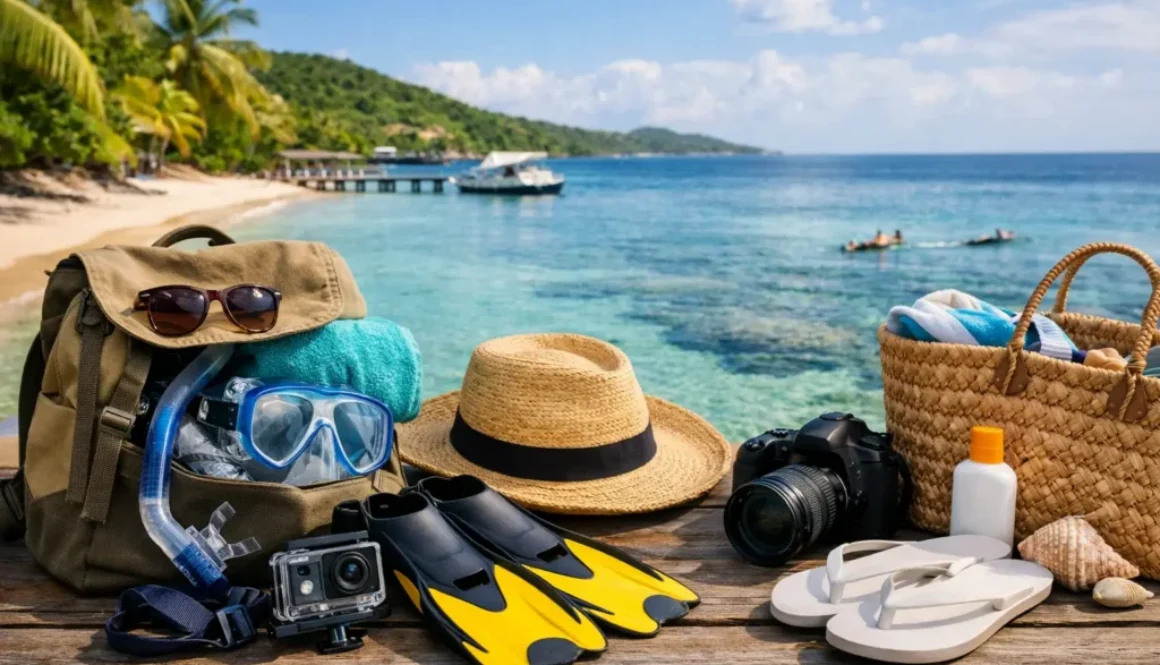
You do not need to overpack, but a few practical items will make the day easier. Wear comfortable clothes for the activities you selected, and bring a swimsuit and towel for any beach, boat, or snorkeling stop. Reef-safe sunscreen, sunglasses, a hat, and a reusable water bottle are wise choices in the Caribbean sun.
For ziplining, ATV riding, or horseback adventures, closed-toe shoes may be the better option. Bring cash for personal purchases, food and drinks not included in your package, or gratuities if you choose to leave them. If you plan to use your phone for photos near the water, a waterproof pouch is a small item that can save a big disappointment.
Most importantly, keep your booking details accessible and be ready at the designated pickup point. Clear communication before the tour helps the day start smoothly, particularly for cruise guests working with a limited window.
Make Your Roatan Time Feel Like Your Own
The best island excursion gives you more than a list of stops. It gives you the confidence to enjoy the day without watching the clock, looking for transportation, or worrying about what comes next. Whether you want the peaceful rhythm of West Bay, an afternoon on the reef, an animal encounter, or an adventure-filled combo, choose an experience with room for the kind of memories you actually came to make.
Bring your sense of fun, let the island set the pace, and save a little space on your camera roll. Roatan has a way of giving every group one more view, one more laugh, and one more reason to wish the day lasted longer.