Are Reef Tours Good for Kids? Roatan Family Tips
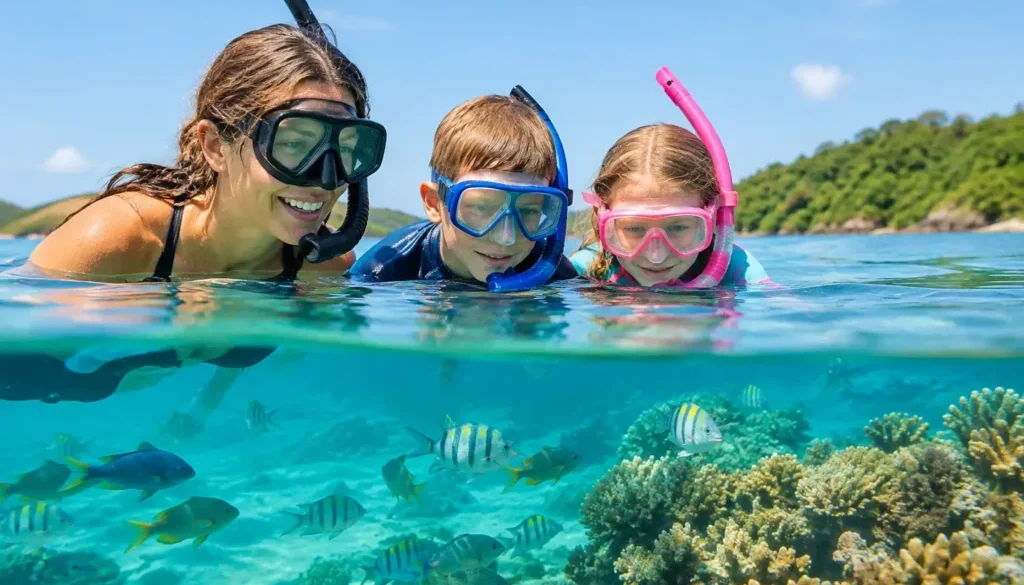
A child in a properly fitted life jacket, floating above bright fish for the first time, can turn a beach day into the memory they talk about long after vacation ends. Parents often ask, “Are reef tours good for kids?” In Roatan, they can be a fantastic family experience when the trip is matched to your child’s age, confidence in the water, and comfort level on a boat.
The island’s clear Caribbean water and nearby reef make snorkeling more accessible here than in many destinations. Still, the best family reef tour is not automatically the longest trip or the one that goes farthest offshore. It is the one with patient guidance, manageable water conditions, reliable transportation, and enough flexibility for everyone to enjoy the day.
Are Reef Tours Good for Kids in Roatan?
Yes, reef tours can be very good for kids, especially for children who are curious about marine life and comfortable wearing a mask in the water. Roatan’s reef environment gives families the chance to see colorful fish, coral formations, and calm tropical scenery without needing scuba certification or advanced skills.
That said, age alone does not tell the whole story. One confident 6-year-old may happily float with a guide, while a nervous 10-year-old may prefer to watch from the boat or enjoy a beach break instead. A quality tour should make room for both experiences without making anyone feel rushed.
For many families, snorkeling works best when it feels like an invitation, not a test. Kids can begin by practicing with the mask and snorkel in shallow water, holding a flotation device, or simply looking into the water from the boat. Once they see a few fish, confidence often grows quickly.
What Makes a Reef Tour Family-Friendly?
A family-friendly reef trip begins before anyone enters the water. Clear pickup instructions, round-trip transportation, and an organized schedule matter a great deal to cruise visitors who have limited time on the island. Parents should know where they are going, how long the experience will last, and when they will return to port.
The right guide also changes the entire feel of the day. Local guides know which areas are best suited to current conditions, where fish are commonly seen, and how to introduce first-time snorkelers to the water without pressure. They can point out marine life that kids might otherwise miss and help families stay together instead of drifting into separate experiences.
Look for these practical details when comparing reef excursions:
- Life jackets and flotation support for all guests, including children
- Guides who are comfortable assisting first-time snorkelers
- A route or stop with protected, manageable water conditions when available
- Shade, drinking water, and a clear plan for boat boarding and returning to shore
- Enough time for non-snorkeling family members to relax and enjoy the scenery
A tour does not need to be built only for children to work well for families. The important part is that the operator understands different comfort levels and can offer a welcoming pace.
Choosing the Right Snorkeling Style for Your Family
Not every reef tour feels the same. Some families prefer a boat ride to a dedicated snorkeling area, while others are more comfortable entering from shore near a beach. Both can be enjoyable, but they offer different advantages.
Boat snorkeling trips
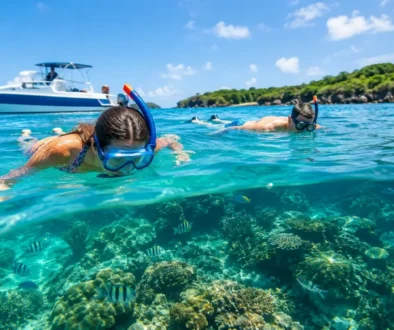
A boat trip often creates the bigger adventure. Kids may enjoy the ride itself, the ocean views, and the excitement of reaching a reef location that feels special. Boat access can also bring your family closer to excellent snorkeling areas without a long swim from shore.
The trade-off is that children need to be comfortable climbing in and out of the boat, wearing a life jacket, and spending some time on the water. If your child gets motion sickness, choose a shorter outing where possible and consider speaking with your pediatrician before the trip about appropriate remedies.
Shore-entry snorkeling
A shore-based option can be easier for younger children and hesitant swimmers. Families can start slowly, take breaks whenever needed, and return to the beach without worrying about a boat schedule. This option also pairs naturally with a beach day, lunch, or time playing in the sand.
The trade-off is that visibility and reef access can vary by location and weather. A local guide can help choose the best fit for the day rather than relying on a one-size-fits-all plan.
Combo tours for mixed-interest families
If one child wants to snorkel and another would rather meet sloths, relax at the beach, or ride through the island, a combo experience may be the better choice. Roatan offers enough variety that families do not have to build the day around one activity alone.
A reef stop paired with sightseeing, a beach break, or an animal encounter gives everyone something to look forward to. Charlie’s Roatan Tours can help visitors combine island highlights with transportation and local guidance, making the day simpler for families arriving by cruise ship.
Ages, Swimming Skills, and Realistic Expectations
There is no universal minimum age for enjoying a reef outing because each child is different and each excursion has its own policies. Before booking, ask the operator about age guidelines, life jacket availability, water depth, boat access, and whether a child can remain on board with an adult if they decide not to snorkel.
Children do not need to be strong swimmers to enjoy a guided snorkeling experience when they wear a life jacket and stay close to an attentive guide. However, they should be able to listen to instructions, stay calm in the water, and understand that they must not touch coral, fish, sea urchins, or other marine life.
Parents should also be honest about their own comfort level. If you are anxious in the water, your child may sense it. A short, gentle introduction is usually more enjoyable than pushing everyone into a longer open-water adventure. There is nothing wrong with making the first snorkeling attempt a five-minute float, then deciding whether to continue.
How to Help Kids Have a Better Reef Day
A little preparation can prevent the most common family vacation frustrations. Let children try on their mask before the tour and explain that they may need a few minutes to get used to breathing through a snorkel. Encourage them to spit out water calmly or raise a hand for help rather than panicking.
Use reef-safe sunscreen, ideally applied well before getting in the water, and bring a rash guard or swim shirt for extra sun protection. The Caribbean sun can feel much stronger on the water, especially when kids are excited and do not notice they are getting tired. A towel, dry clothes, and any needed motion-sickness supplies are also smart additions to the day bag.
It helps to set one simple family goal: see a few fish, float together, and have fun. Do not promise turtles, dolphins, or a specific animal sighting. Marine life is wild, and that unpredictability is part of what makes the reef special.
Reef Etiquette Kids Can Understand
Snorkeling is more fun when children know they are visiting an underwater neighborhood. Explain that coral is alive, even though it looks like rock, and that touching it can hurt both the coral and their hands. They should keep fins away from the reef, avoid standing on anything underwater, and never chase fish.
A good rule is “look with your eyes, not your hands.” Kids often respond well when they are given an important job, such as being the family’s fish spotter or reminding everyone to keep a respectful distance from the reef. That small sense of responsibility can make the experience feel even more meaningful.
When a Reef Tour May Not Be the Best Choice
Reef tours are not the right fit every day. Rough water, heavy rain, a child who is overtired after an early cruise arrival, or strong fear of the ocean can all change the plan. A responsible operator may adjust the route, recommend a calmer stop, or suggest another activity when conditions are not ideal.
Families with very young children may prefer a beach-focused day with shallow-water play, a glass-bottom viewing option if available, or a short sightseeing and wildlife combination. Older kids and teens who enjoy adventure may be ready for a longer boat ride and more active snorkeling. The best choice is the one that leaves your family excited, not overwhelmed.
A great Roatan reef day does not depend on how far anyone swims or how many photos you bring home. Give kids a safe first look beneath the surface, let the guides handle the island logistics, and leave room for the kind of tropical surprise that makes a family trip unforgettable.