Roatan Iguana Farm Tour Guide for Cruise Visitors
The first thing most guests notice on a Roatan iguana farm tour is the movement. Dozens of prehistoric-looking iguanas climb through branches, gather along walkways, and wait with surprising confidence for a snack. It is a fun, close-up wildlife stop that gives cruise visitors and families a very different side of Roatan than the beach clubs and busy port area.
A visit to the iguana farm works especially well when you want more from your island day than one activity. It is easy to pair with a scenic island drive, a local culture stop, an animal encounter, snorkeling, or a relaxing afternoon at West Bay Beach. With a local guide and round-trip transportation, you can enjoy the experience without spending precious port time figuring out routes, taxis, or timing.
What You’ll See on a Roatan Iguana Farm Tour
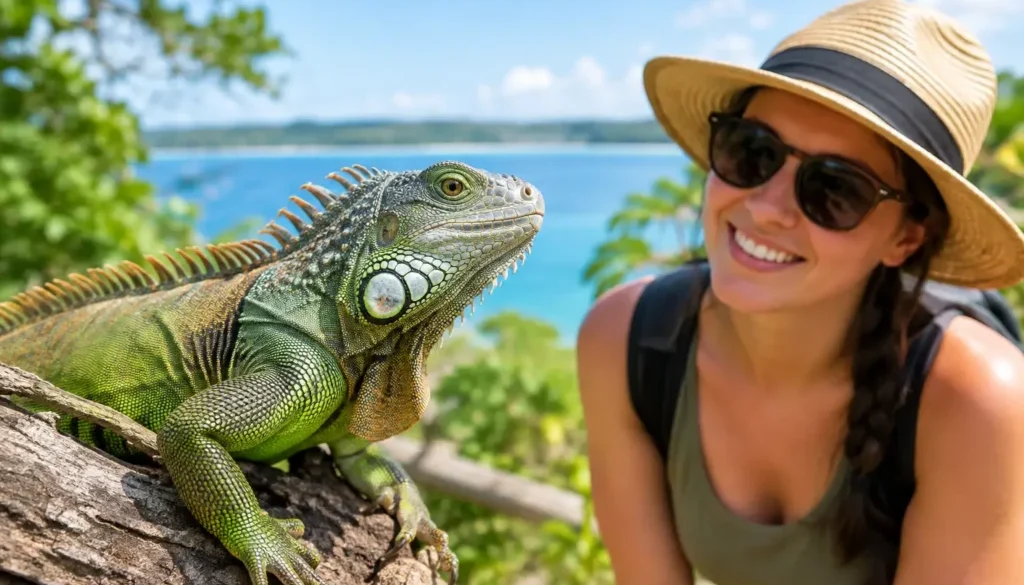
Roatan is home to the critically endangered Roatan spiny-tailed iguana, a species found only on this island. The iguana farm gives visitors an opportunity to see these remarkable reptiles in a protected environment while learning why conservation matters here. They are not tiny lizards tucked away behind glass. Many are large, alert, and wonderfully expressive, with sharp spines along their backs and long patterned tails.
Guides typically explain how the iguanas live, what they eat, and the challenges their native habitat has faced. This context is what makes the stop more meaningful than simply taking a few photos. You are seeing an animal that is part of Roatan’s natural identity, not just another attraction on an excursion list.
The setting may also include birds, gardens, marine views, or other local wildlife depending on the property and the day’s itinerary. Conditions can change, so it is best to think of the iguanas as the main event and any additional animals or features as a welcome bonus.
Feeding the iguanas
For many guests, feeding time is the highlight. If food is available for purchase or included by the attraction, an iguana may come surprisingly close to take a bite. Children usually love the excitement, while adults quickly realize why a camera should be ready before the food comes out.
Follow your guide’s instructions, keep fingers clear, and let the animals approach at their own pace. These are powerful reptiles with strong jaws, even when they are calmly waiting for a treat. Respectful interaction keeps the visit safe and enjoyable for everyone.
Is the Iguana Farm a Good Choice for Your Group?
This stop is an excellent fit for families, animal lovers, photographers, and travelers who want a short but memorable cultural and wildlife experience. It does not require swimming, athletic ability, or a full day of sun exposure. That makes it particularly useful for mixed groups where one person wants adventure and another wants something easygoing.
It is also a smart choice for cruise passengers who have limited time ashore. A guided itinerary can build the farm into a larger day without making the schedule feel rushed. You might start with a scenic drive through island communities, visit the iguanas, enjoy a lookout point, and then head to the beach or a snorkeling stop.
The trade-off is simple: the iguana farm is not an all-day attraction. Guests looking for hours of water activities may prefer to use it as one stop in a combo tour rather than their entire shore excursion. That is where a flexible local tour makes a real difference. You can add variety without trying to coordinate several separate transportation plans.
Pair Your Iguana Farm Visit With the Right Roatan Experience
Roatan is long and narrow, with great experiences spread across the island. Pairing activities thoughtfully helps you spend more time enjoying the scenery and less time riding back and forth across the same roads.
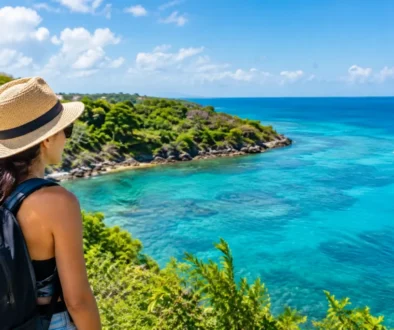
For a relaxed day, combine the iguana farm with a panoramic island sightseeing tour and beach time. You can visit local communities, stop for photos overlooking the Caribbean, meet the iguanas, then settle in at West Bay Beach for soft sand, clear water, and lunch. This option works beautifully for couples, families, and anyone who wants a balanced day without a packed schedule.
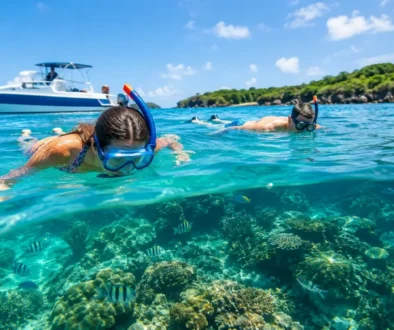
For a more active outing, combine the farm with snorkeling, a boat trip, or a private cay experience. The contrast is part of the fun: start with land-based wildlife, then trade scales and branches for colorful reef fish and warm turquoise water. Keep in mind that snorkeling requires a little more planning around weather, sea conditions, and your comfort level in the water.
Guests who want a bigger animal-focused day may choose to add a monkey and sloth encounter. While the iguana farm centers on native reptile conservation, a separate animal park stop may offer opportunities to see other species. These experiences are different, so ask what animal interactions are available on the day of your tour and choose options that match your group’s interests.
Charlie’s Roatan Tours can help arrange an itinerary that combines the island highlights you care about most, with transportation and a local guide to keep the day moving comfortably.
What to Bring and Wear
The farm is an outdoor visit, so lightweight clothing, sunscreen, sunglasses, and a hat are always practical. Comfortable walking shoes or secure sandals are better than slippery flip-flops, especially if walkways are uneven or the ground is damp after rain.
Bring your phone or camera, but consider a small bag that leaves your hands free when feeding or moving around the property. If the tour continues to the beach or a snorkeling location, wear a swimsuit under your clothes or pack one with a towel and dry change of clothing. Insect repellent can be helpful for some guests, particularly later in the day or after rainfall.
Most important, bring a little curiosity. The best moments often happen when you slow down, watch how the iguanas interact, and listen to the stories your local guide shares about the island.
Timing Your Visit From the Cruise Port
A well-planned shore excursion should leave room for real enjoyment and get you back to the port with time to spare. Your available time depends on your ship’s schedule, docking location, traffic, and the other activities you want to include. For that reason, a private or small-group guided option is often more comfortable than trying to piece together transportation on arrival.
Morning can be a great time for an iguana farm stop, especially if you plan to spend the warmer part of the afternoon in the water or at the beach. On the other hand, if your group wants a leisurely start, the farm can fit nicely between sightseeing and a later beach break. There is no single perfect order. It depends on your ship time, your group’s energy, and whether weather affects your water plans.
When booking, share your ship name, port arrival time, departure time, group size, and must-do activities. A knowledgeable local operator can recommend a realistic route rather than promising too many stops in one day.
A Few Simple Etiquette Tips
Treat the iguanas as wildlife, even in a managed setting. Do not chase, grab, corner, or try to pose an animal for a photo. Keep voices calm, supervise young children closely, and only feed items approved by the attraction.
Avoid leaving litter, especially food wrappers, around animal areas. Roatan’s beauty depends on visitors taking care of the places they enjoy. A thoughtful visit supports the conservation message behind the experience and helps protect the island for future travelers.
If an iguana farm visit sounds like your kind of Roatan memory, build it into a day that leaves space for the beach, the views, and the friendly island moments that are hard to schedule but easy to remember.